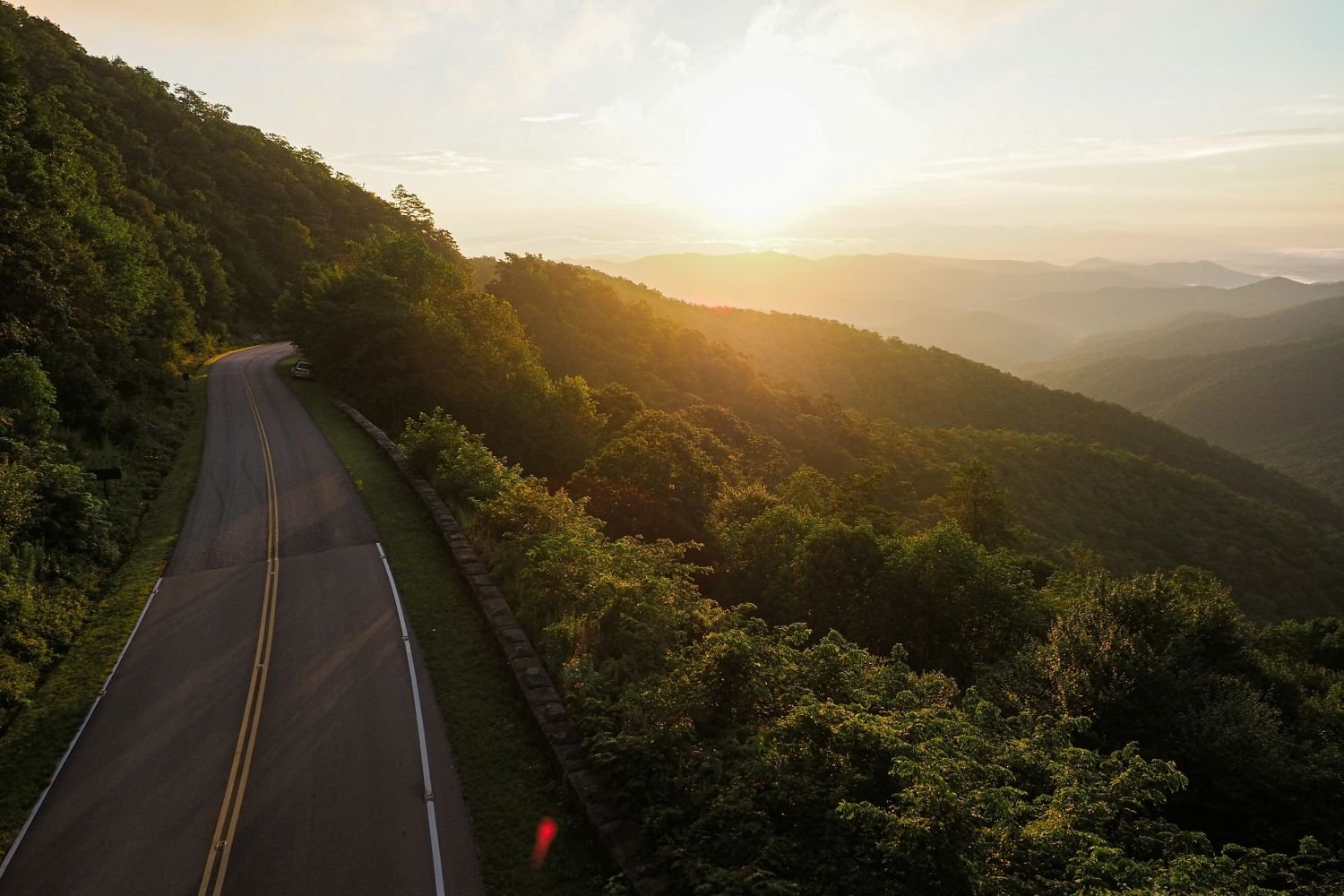
Not every trip is about rest.
Sometimes, what you actually need is a small shift.
Something that gently pulls you out of your routine. Not in a dramatic way, but just enough to feel different.
That’s where this idea of a “darecation” comes in.
It’s not about extreme adventure or pushing yourself too far. It’s about choosing one small experience that feels slightly unfamiliar… and allowing yourself to try it anyway.
The kind of moment where you hesitate a little at first, then quietly feel proud you did it.
What a Darecation Actually Feels Like
It’s quieter than you expect.
You’re not rushing. You’re not trying to do more.
You’re simply stepping slightly outside your usual rhythm.
It might look like:
- walking a trail you weren’t sure you’d enjoy
- trying something new without overplanning
- staying in a moment longer than usual
There’s a bit of uncertainty—but it’s balanced by curiosity.
And that balance is what makes it feel manageable.
You can also use this 10 Relaxing Things to Do in Hilo, Hawaii (Slow Travel + Easy Walking Guide) as a simple reference while planning your stay.
Nature-Based Soft Adventures
This is usually the easiest place to begin.
Nature doesn’t rush you. You can move slowly, pause when you need to, and still feel like you’ve experienced something meaningful.
In places like Asheville, even a short forest walk or a quiet waterfall stop can feel like enough. The environment does most of the work—you just have to show up.
Where to stay (budget-friendly):
- La Quinta Inn & Suites by Wyndham Asheville Downtown Tunnel Rd — (former Country Inn & Suites) simple, reliable, about 5–10 minutes from downtown and easy access to the Blue Ridge Parkway
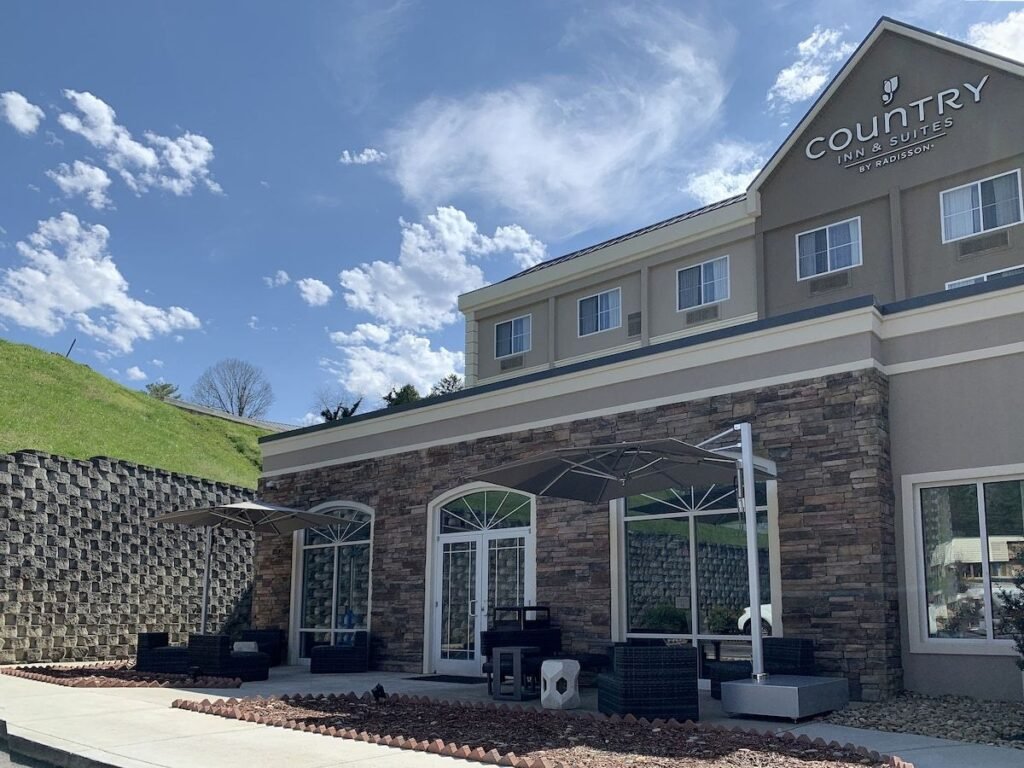
La Quinta Inn & Suites by Wyndham (Former Country Inn & Suites)
- Holiday Inn Asheville East Blue Ridge Pkwy — right along the parkway, making early scenic drives and stops more convenient
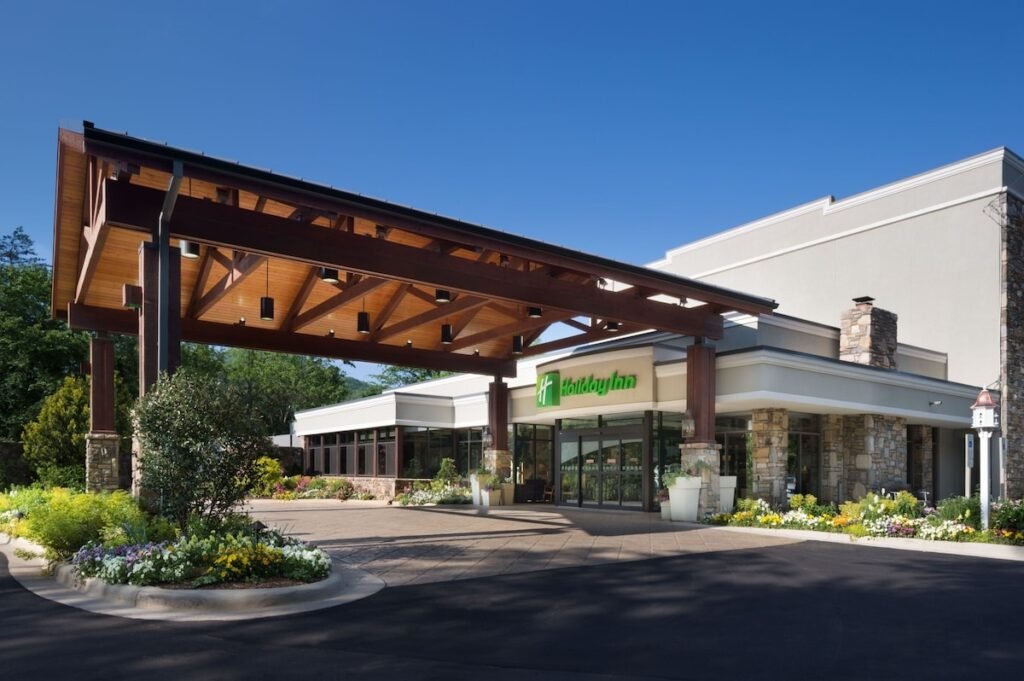
Holiday Inn Asheville East-Blue Ridge PKWY by IHG
How to get there:
Asheville is tucked into the mountains of western North Carolina, surrounded by forested landscapes and scenic roads.
There are two common ways to reach it. You can fly directly into Asheville Regional Airport, which keeps things simple and close to town.
Or, if you’re looking for more flight flexibility, you can arrive via Charlotte Douglas International Airport and make the drive in. The route itself gradually shifts into mountain scenery, so it doesn’t feel like just a transfer.
Once you’re there, having a car gives you access to places that define the experience, especially the Blue Ridge Parkway and nearby nature spots.
Best time to visit:
Spring (March–May), when the fog sits low in the mountains and the pace feels naturally slower.
What you’ll likely spend:
Mostly low-cost. Trails and viewpoints are free, so your main expenses stay around accommodation and meals.
What to pack:
- Lightweight jacket (weather shifts quickly)
- Comfortable walking shoes
- Small day bag for essentials
Pro-tip:
Start early, then slow down. Even one short trail is enough.
Water-Based Experiences (Without the Intensity)
Water has a way of softening everything.
Even simple moments—standing near a waterfall, walking along the coast—can feel like enough.
In Hilo, this kind of experience happens naturally. You don’t need a structured activity. Just being there shifts your pace.
Where to stay:
- SCP Hilo Hotel — clean, eco-conscious, and close to bayfront walks and parks
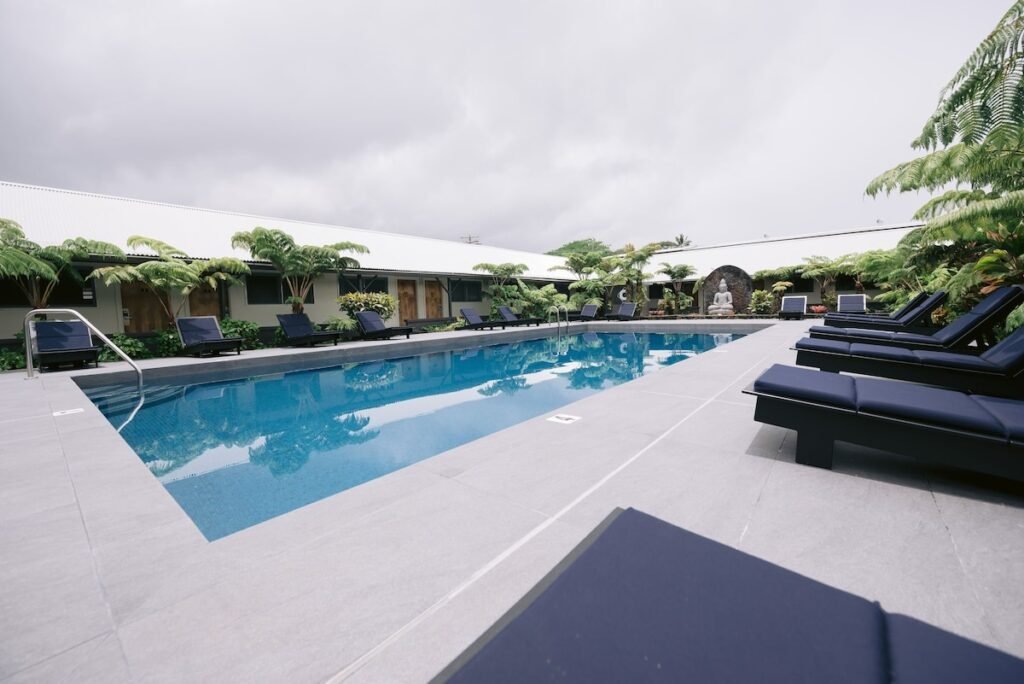
SCP Hilo Hotel
- The Inn at Kulaniapia Falls — a peaceful waterfall retreat set on a private nature reserve, where you can wake up to the sound of cascading water and enjoy a slower, more immersive kind of stay
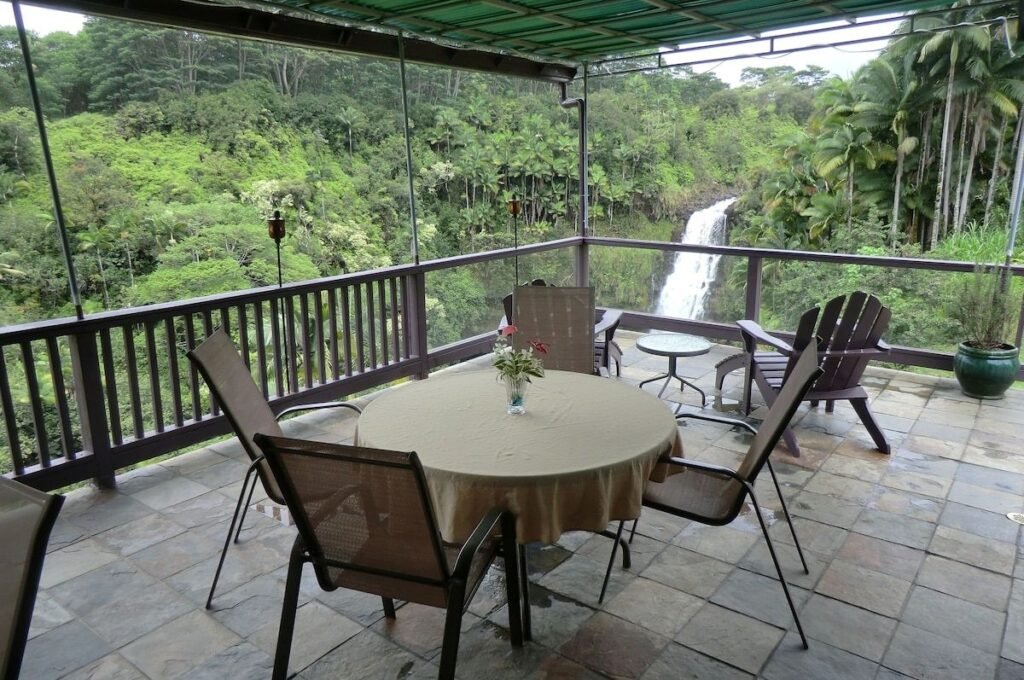
The Inn at Kulaniapia Falls
How to get there:
Hilo sits on the eastern side of Hawaii’s Big Island, known for its rainforests and quieter pace compared to the resort-heavy west.
Getting here usually involves a connection. Most flights land first in Honolulu, then continue on a short regional flight into Hilo International Airport.
Arrival feels quick and low-effort. From the airport, you’re already close to town, and within minutes, you’ll notice how different the atmosphere is.
To move around comfortably, having your own car makes a big difference. Many of Hilo’s best spots are spread out, and part of the experience is the drive itself.
Best time to visit:
Spring (March–May), when the greenery is at its peak and the rain feels lighter and more refreshing.
What you’ll likely spend:
Moderate overall. Many experiences (waterfalls, gardens, coastal walks) are free or low-cost.
What to pack:
- Breathable, lightweight clothing
- Sandals or easy slip-on shoes
- Compact rain jacket or umbrella
Pro-tip:
Stay longer than planned. Water naturally slows your rhythm if you let it.
View-Based Experiences (Simple but Impactful)
Not every dare needs to be active.
Sometimes, it’s about showing up somewhere that feels bigger than your everyday environment.
In Sedona, even a short walk to a viewpoint can feel like a shift. The landscape does the work—you just have to be present enough to notice it.
Where to stay:
- Sedona Springs Resort — relaxed, spacious, and comfortable for slower stays
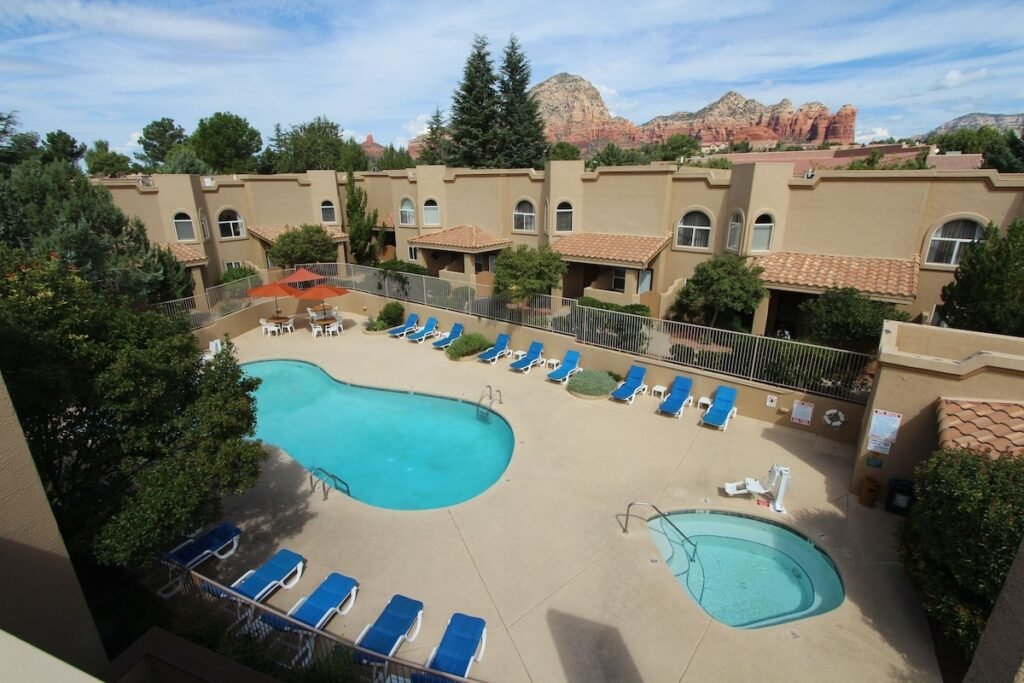
Sedona Springs Resort
- Arabella Hotel Sedona — close to trails and viewpoints, which keeps everything within easy reach
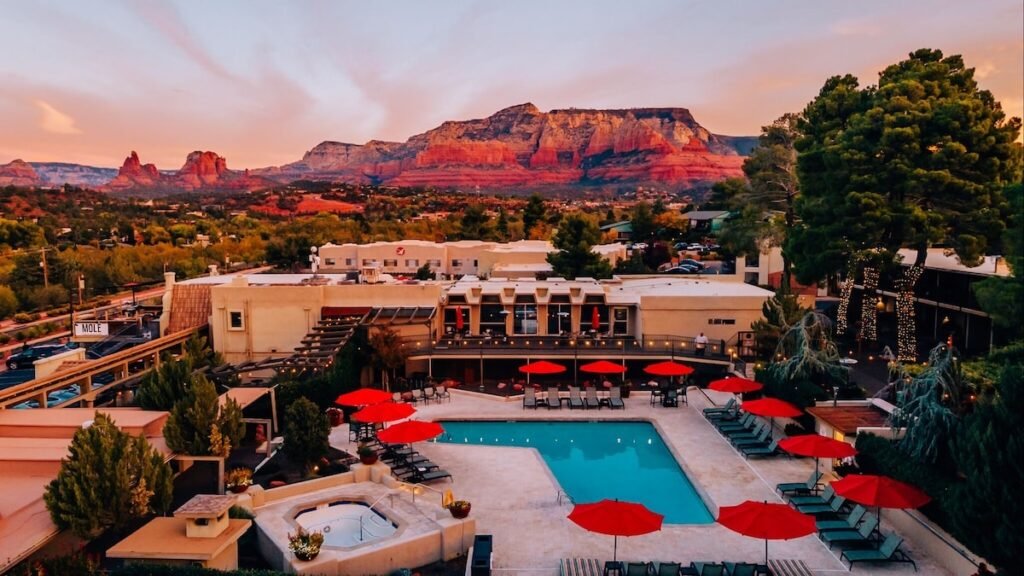
Arabella Hotel Sedona
Best time to visit:
Spring or fall for comfortable temperatures and fewer crowds.
What you’ll likely spend:
Reasonable. Most scenic spots and trails are accessible without needing guided tours.
What to pack:
- Refillable water bottle
- Comfortable walking shoes
- Light layers for changing temperatures
Pro-tip:
Go for sunrise or sunset. Stay longer than you planned.
How to Plan a Darecation Without Overdoing It
The biggest mistake is trying to turn this into a packed itinerary.
You don’t need that.
What works better is keeping things intentionally simple:
- Choose one or two experiences only
- Leave space in between
- Stay somewhere calm so you can reset easily
- Let yourself stop early if you need to
If you’re still deciding where to go, you can explore ideas in your Short Spring Escapes in the U.S. (3–5 Days) guide—but think of this as how you experience the trip, not where you go.
How to Keep It Affordable (Without Changing the Experience)
A darecation doesn’t need to be expensive.
In fact, the most meaningful parts are often the simplest.
- Focus on nature-based experiences (often free or low-cost)
- Choose one paid activity, keep the rest flexible
- Try something small and local—like a café or local snack—as part of the experience
Keeping things simple often makes the trip feel more real.
If You’ve Been Wanting to Try Something New, Start Here
A darecation doesn’t have to look impressive to be meaningful.
It might just be one small moment—trying something new, staying a little longer, or realizing you didn’t need as much structure as you thought.
And sometimes, that’s enough to shift how everything feels.
